The More Plant Varieties, the Better? A Garden Design Myth
More plant varieties can blur a border’s character. Learn how to assess its growing conditions and roles before choosing what to plant next.
The most common mistake in a crowded border is treating every bare patch as an invitation to buy another plant. More plant varieties can cost you a clear sense of place if the new additions compete with existing plants for light, water and room to grow.
A border’s character depends on more than its appearance: the soil, aspect and plants’ mature spread all shape what will thrive there. Before choosing another favourite, work out what the site can support and which needs are not yet met.
Read the growing conditions
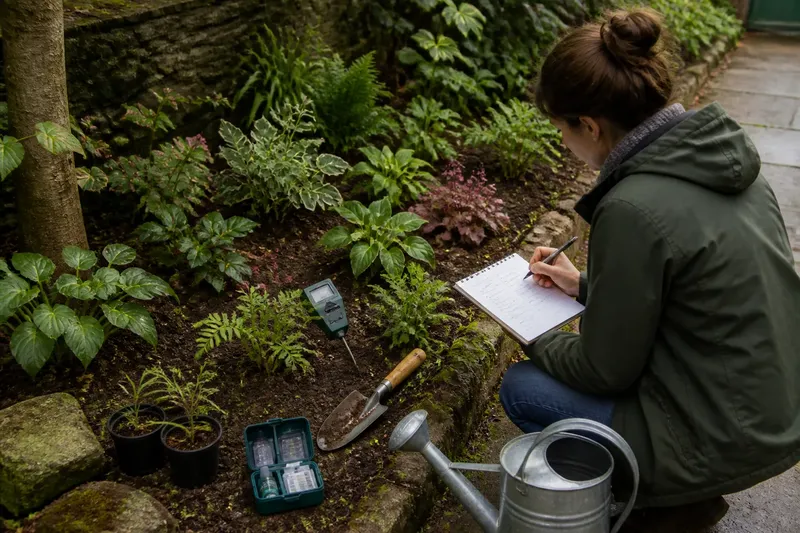
Start by noticing how much direct sun reaches the border, whether water lingers after rain and how quickly the soil dries. A simple soil-moisture check with your finger or a hand trowel can help you distinguish a damp patch from one that drains freely; a soil-testing kit can offer a broader picture of acidity and nutrients.
Also look at what is already growing well. A plant that struggles in a dry, sunny edge is unlikely to be rescued by adding a neighbour with the same thirst, while a vigorous plant may leave little room for a newcomer. Check plant labels or a reliable gardening reference for mature spread, not just the size of a nursery pot.
Match plants to the site
Use the conditions you have identified to narrow the choices. A shady, moisture-retentive spot calls for different plants from a sunny, free-draining one; local nurseries and botanical garden plant labels can help you compare suitable options.
Think about the work a plant will need as well as the effect it creates. If watering is awkward, avoid making the border depend on thirsty plants; if access is tight, leave enough room to reach in for weeding and pruning without crushing neighbouring growth.
Check before planting
Use this short assessment before you add a plant. Each observation points to a decision, with an alternative if the site or planting plan does not fit.
- Sunlight: Observe whether the spot gets strong sun or stays shaded; if the plant’s label matches those conditions, consider it, but if not, choose a plant suited to the actual light.
- Drainage: Notice whether water remains after rain; if the soil stays wet and the plant needs free drainage, choose a moisture-tolerant option or improve the site appropriately rather than planting it there.
- Soil: Check whether the ground is compacted, crumbly or unusually acidic according to a soil-testing kit; if the result suits the plant, proceed, but if it does not, select a better-matched plant or seek local horticultural advice.
- Mature spread: Read the plant label for its expected width; if it can fit without crowding established plants, keep it on the shortlist, but if not, choose a smaller-growing alternative or a different location.
- Watering: Observe how quickly the soil dries between rain; if regular watering is practical for you, a plant with higher moisture needs may suit, but if not, choose one adapted to drier conditions.
- Access: Check whether you can reach the planting spot without stepping on other plants; if you can, planting and maintenance should remain manageable, but if you cannot, relocate the candidate or clear an access route first.
Choose by the site?
How do I know if a plant suits my soil?
Check the plant label or a trusted gardening reference for soil preferences, then compare those with your garden’s drainage and, if useful, a soil-testing kit’s indication of acidity. If the information is unclear, ask a local nursery or horticultural adviser before making a large change to the soil.
Should I improve the soil before planting?
First identify the issue: compacted ground, poor drainage and low fertility call for different responses. Add organic matter only where it suits the plants and site, and avoid trying to turn a naturally wet or dry area into the opposite without a clear reason.
Can I plant in a dry, shady border?
Yes, but the choice may be narrower than for a sunny, moist bed. Look for plants described as tolerant of both shade and dry conditions, and check whether nearby trees or walls compete for water.
What if the site changes through the year?
Observe it in different seasons before committing to plants with particular light or moisture needs. Deciduous trees can leave a bed sunnier in winter than in summer, so choose plants that suit the conditions they will encounter during their growing season.
A worked planting choice
Say you have a small bed beside a north-facing wall, and its surface feels dry beneath an established tree. You are considering a plant whose label calls for sun and consistently moist soil; the site’s shade and competing roots make that a poor match.
First, you check the label and note the light and moisture requirements. Next, you observe the bed after rain and find that water does not linger, then compare the plant’s mature spread with the room between the tree and path. The likely decision is to set that candidate aside and ask a local nursery for a shade-tolerant plant that copes with drier soil and fits the available space; the trade-off is a smaller choice of plants, but a better match for the conditions you actually have.
Let the site lead
When a planting disappoints, resist the urge to replace it immediately with another plant chosen for its flowers alone. Note whether the trouble is shade, dry soil, standing water or limited room, then address that cause through a better plant choice or a suitable change to the site.
More plant varieties can enrich a garden when their needs fit the ground they occupy. For clearer garden design, let the site guide your next addition: a well-matched plant is more likely to settle in without asking the rest of the border to compensate.